

Crafting Believability: The Art of Animatronics with Chris Clarke
In this episode of ‘Battles with Bits of Rubber,’ Chris discusses his journey and experiences in the world of animatronics. He recounts various projects, including building the horse animatronic for ‘Warhorse’ and the massive head for ‘Wicked.’
Chris emphasises the importance of blending practical effects with digital methods, recounting his creative process, challenges, and innovations. He highlights how simple, logical solutions often work best and shares his early passion for special effects, driven by a desire to solve technical problems.
Chris also touches on the broader industry trends, including the ongoing relevance of animatronics despite the rise of CGI. The conversation provides insights into the creative and practical aspects of animatronics, underscoring the necessity of believable results over mere realism.
This was recorded at Chris’s home on the evening of Tuesday, 19th Nov 2024.
Listen here or better yet, subscribe to the show on your favourite podcast app. We are on them all – Spotify, Apple Podcasts, Pocket Casts, YouTube etc.
Transcript of this episode here
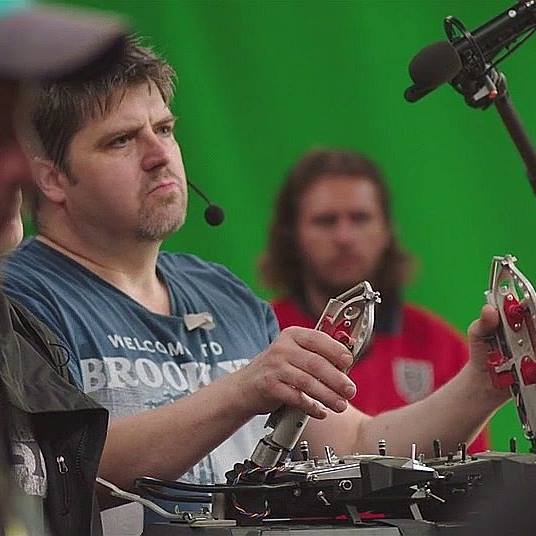
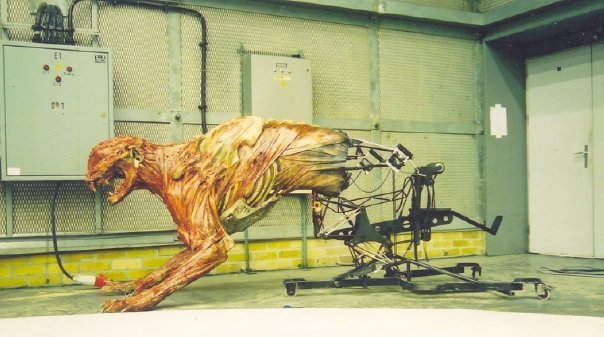

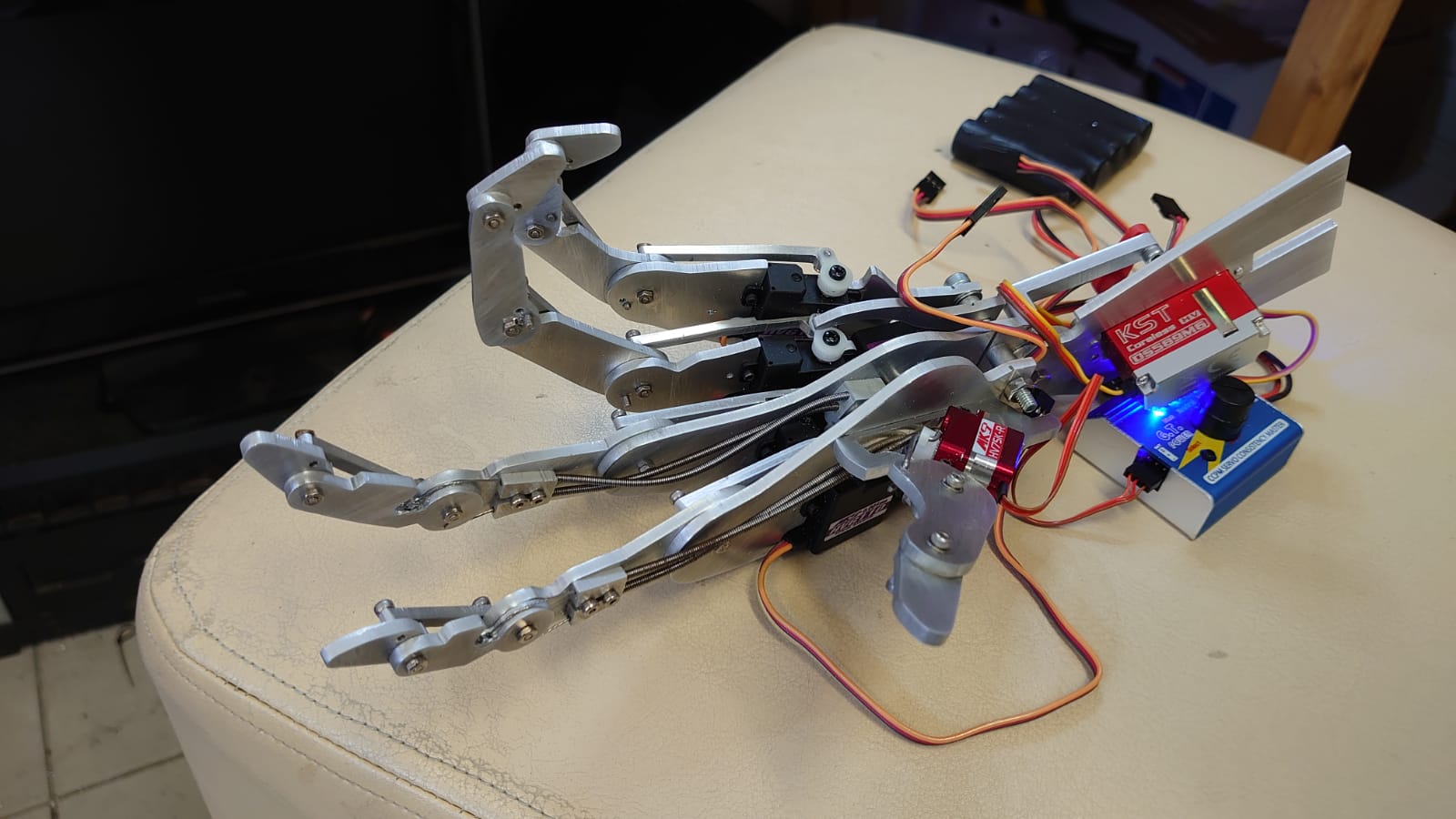
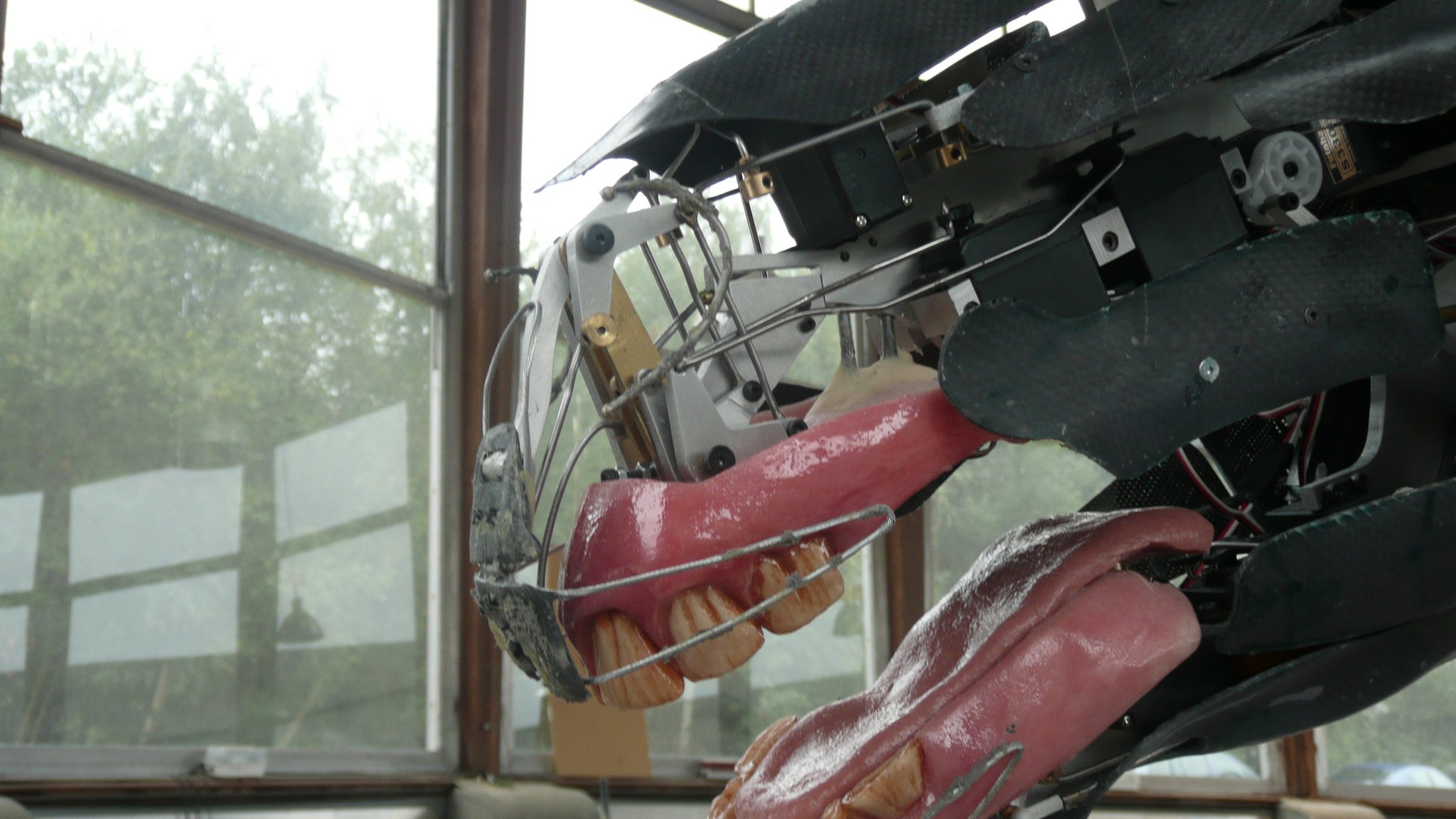
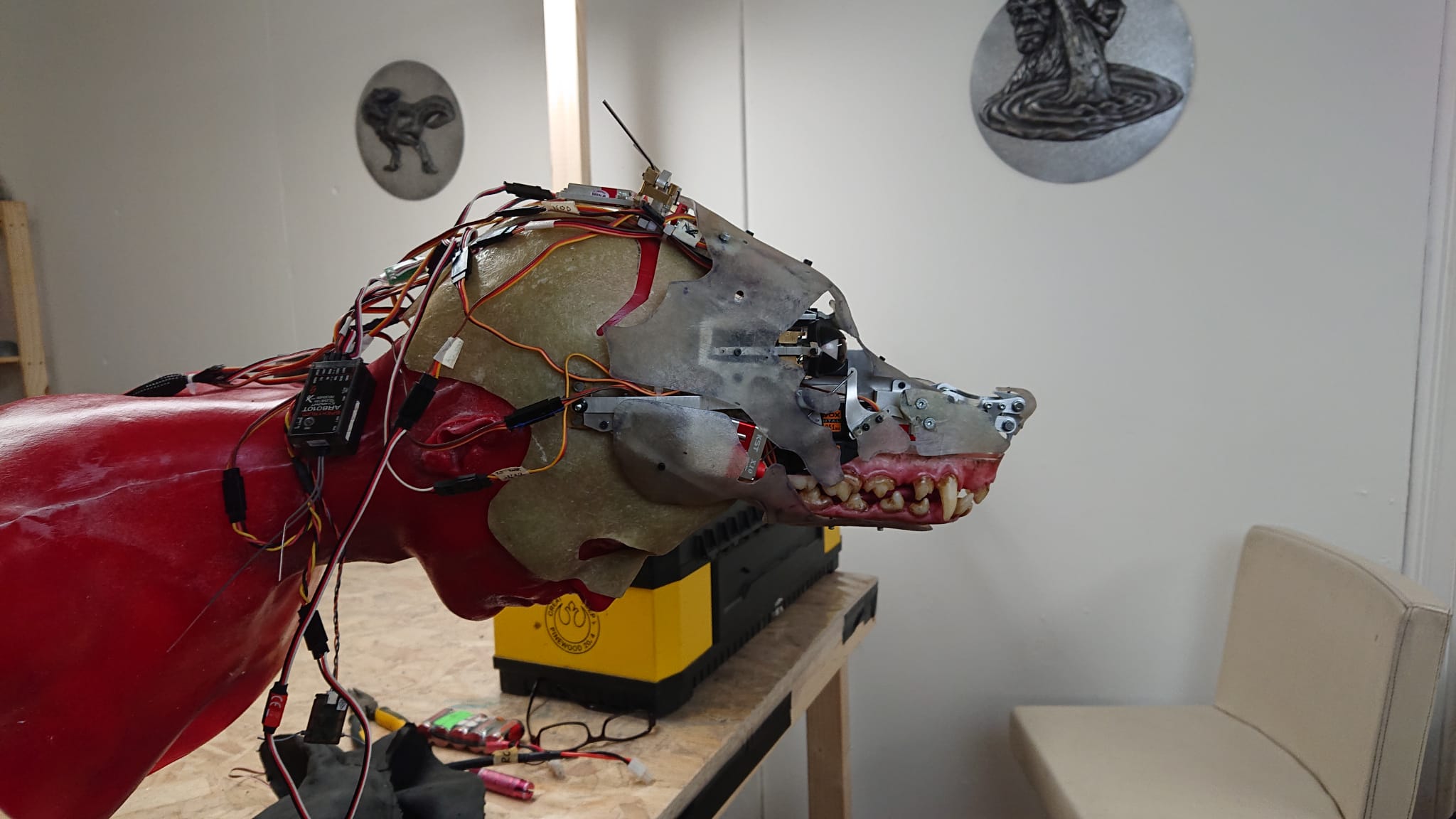
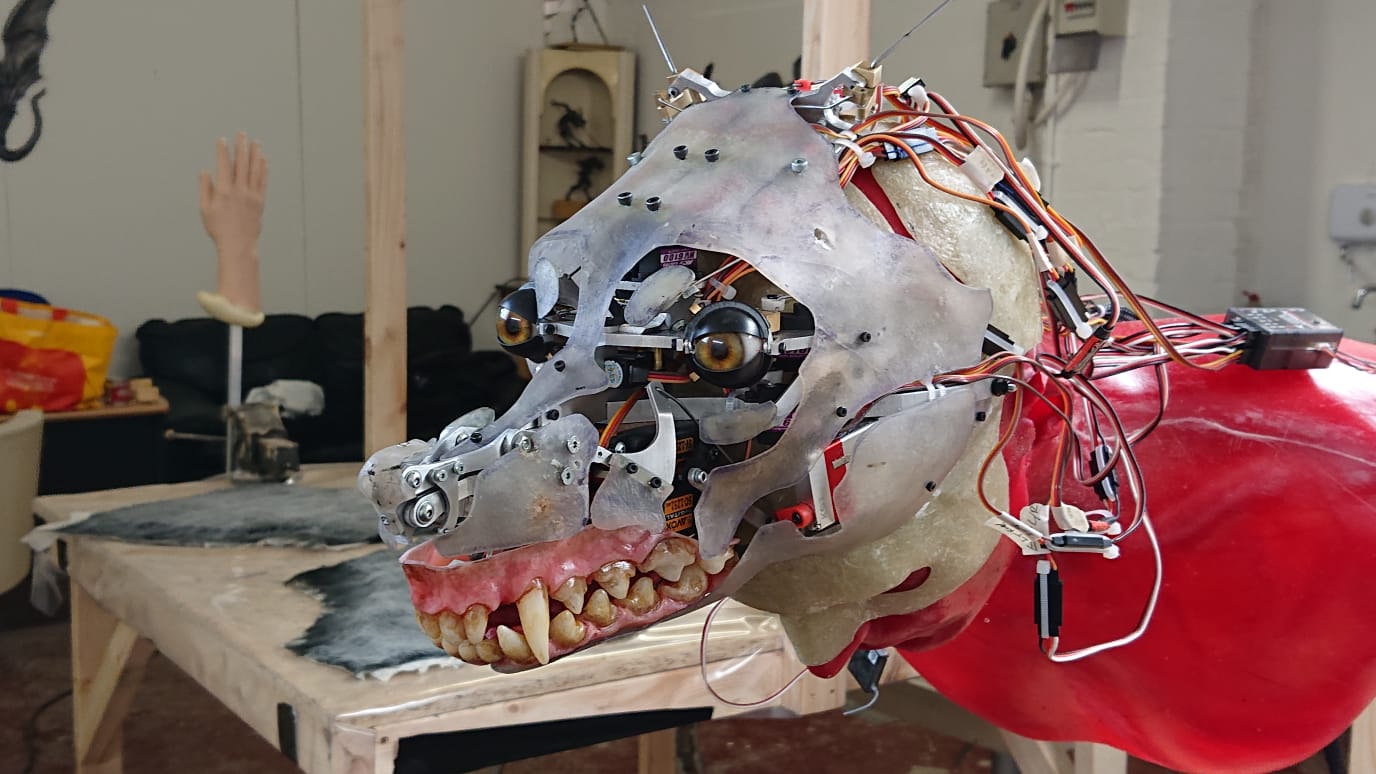
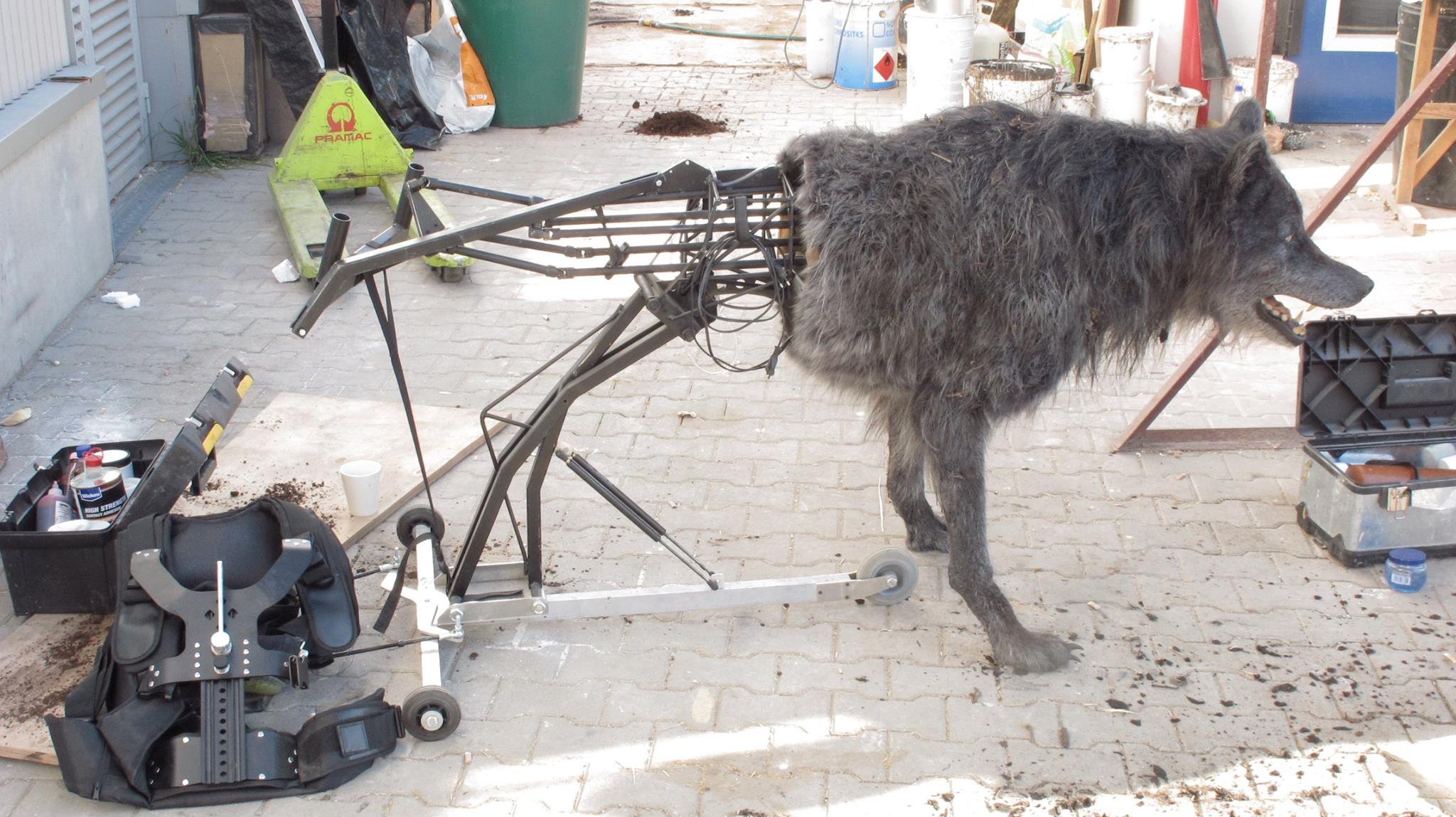
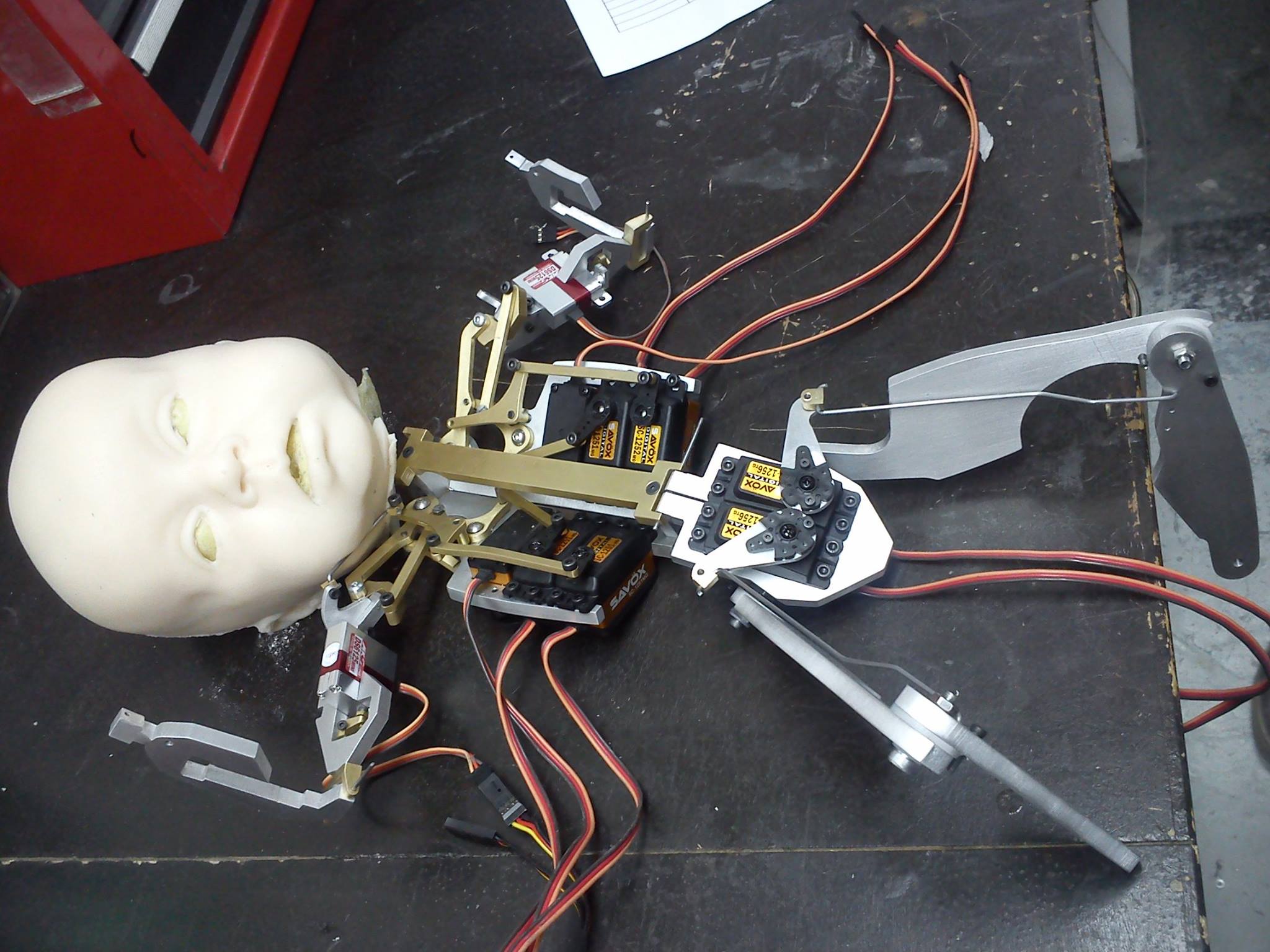
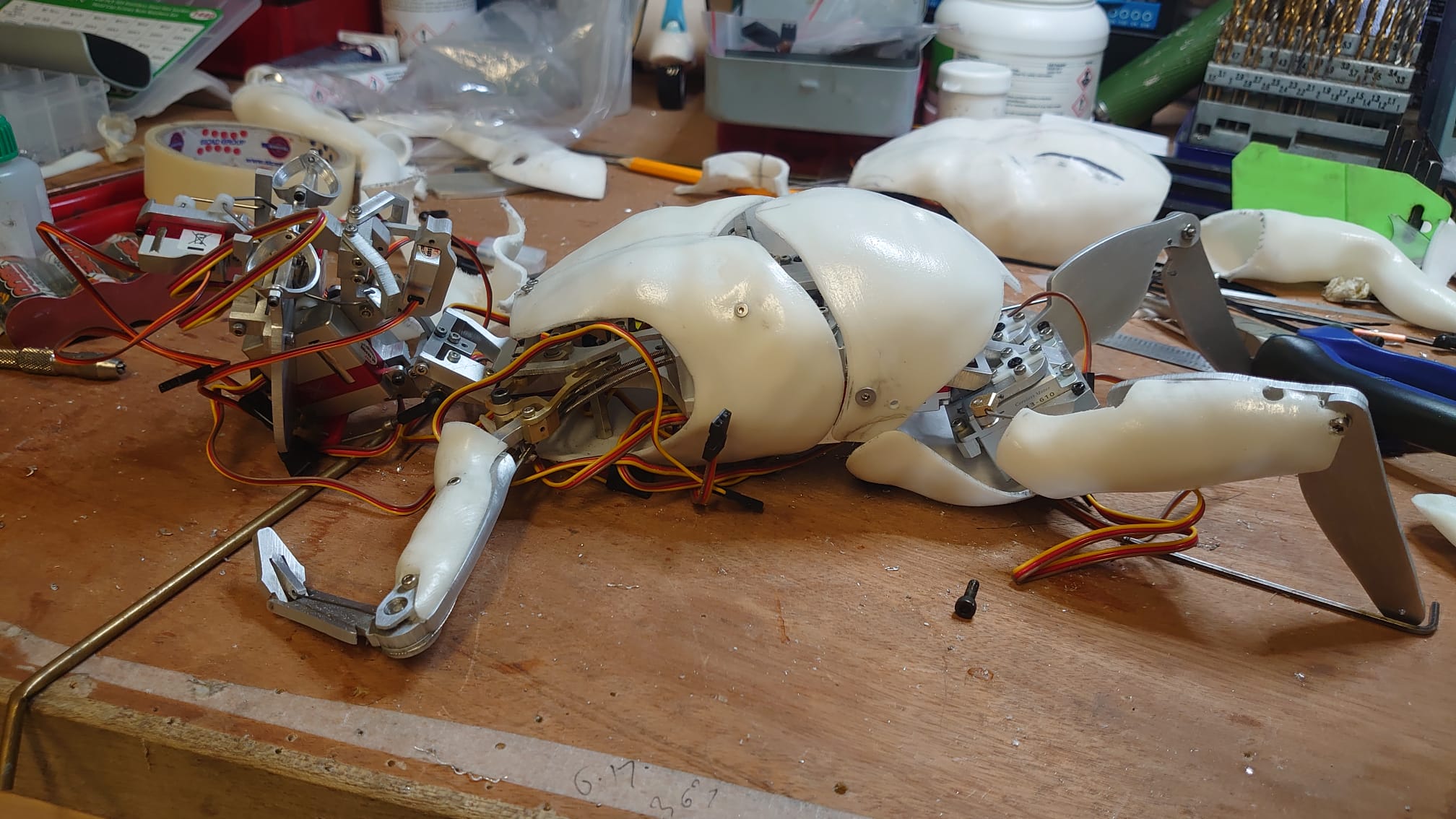
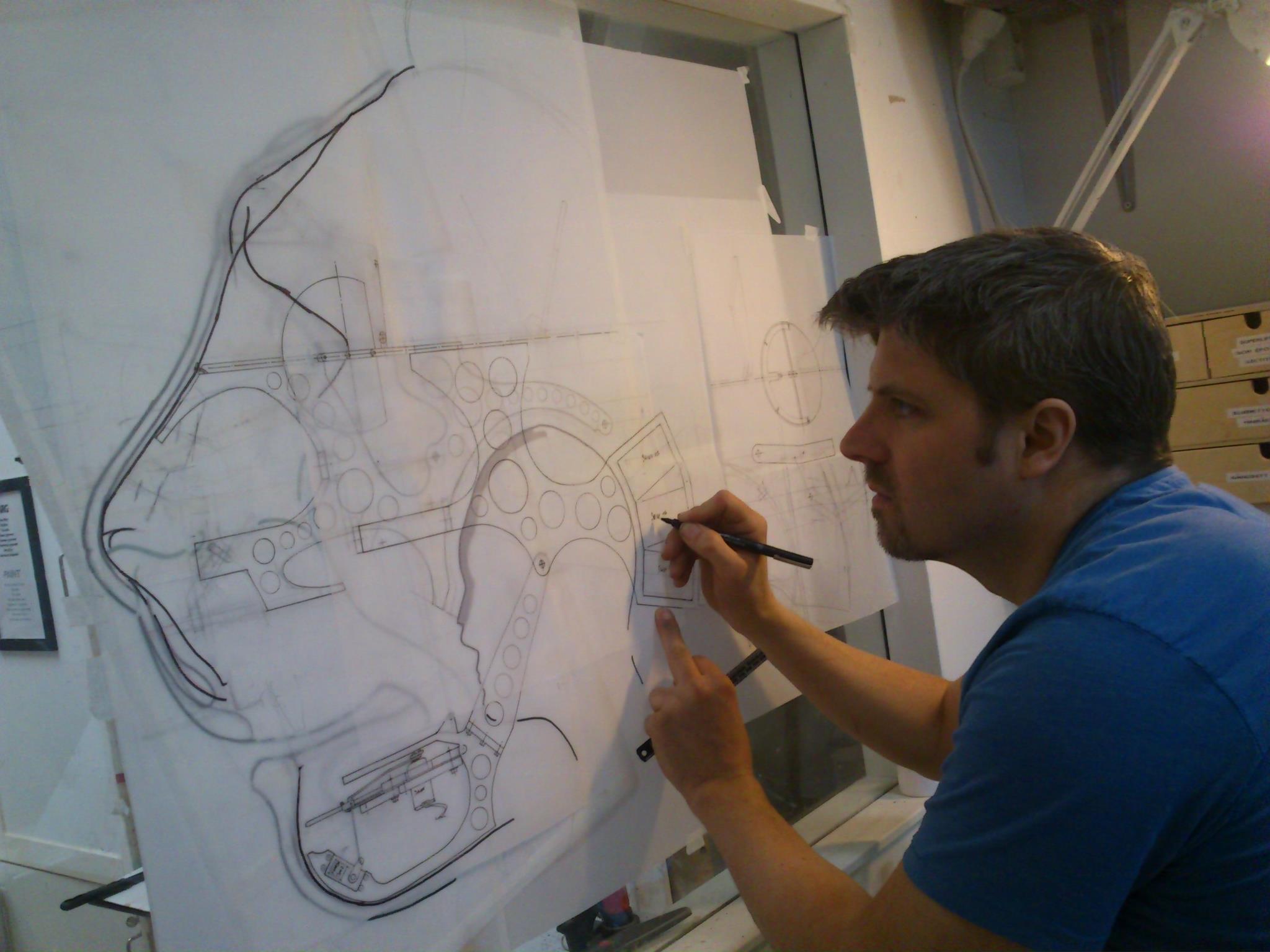
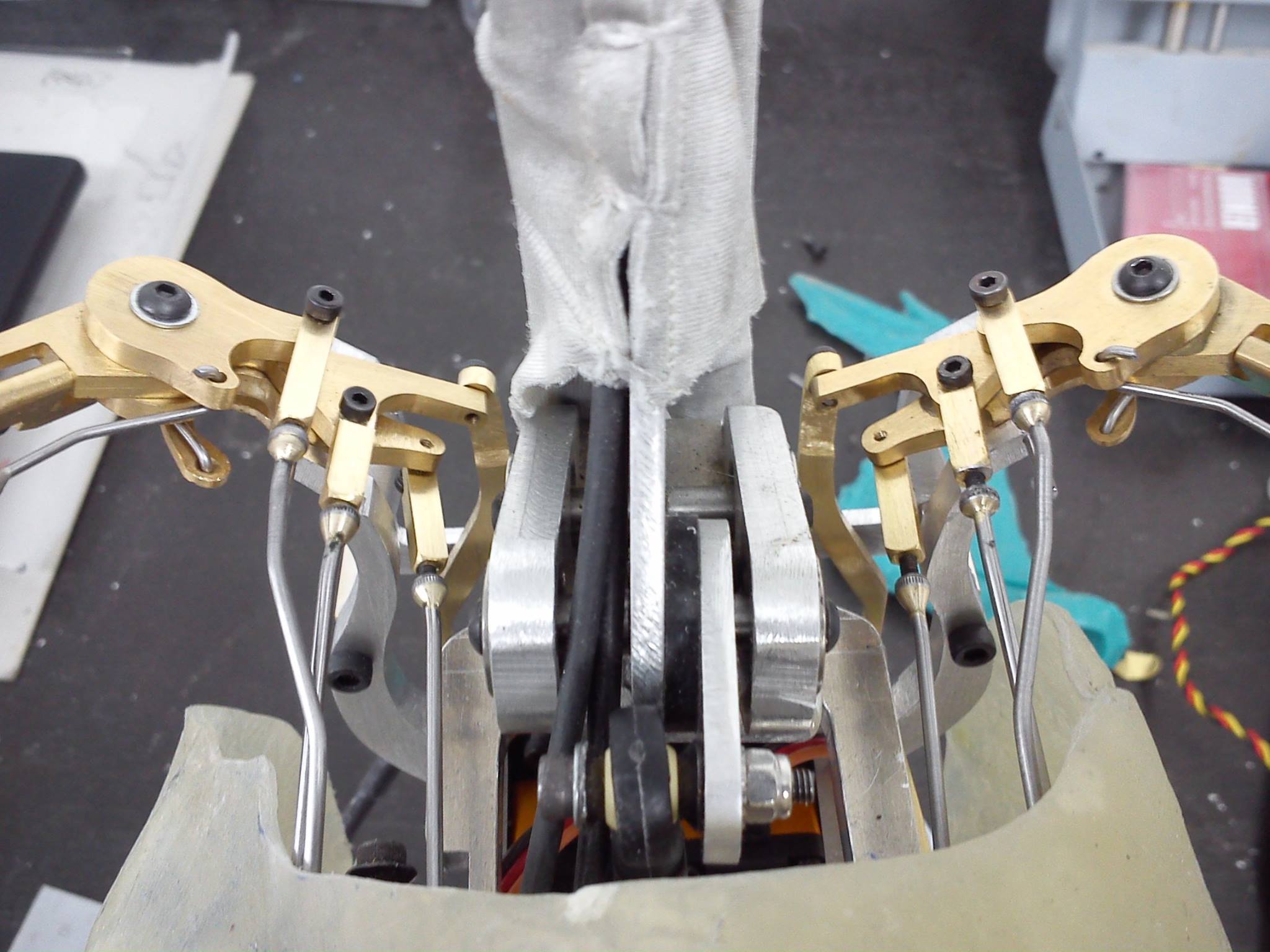
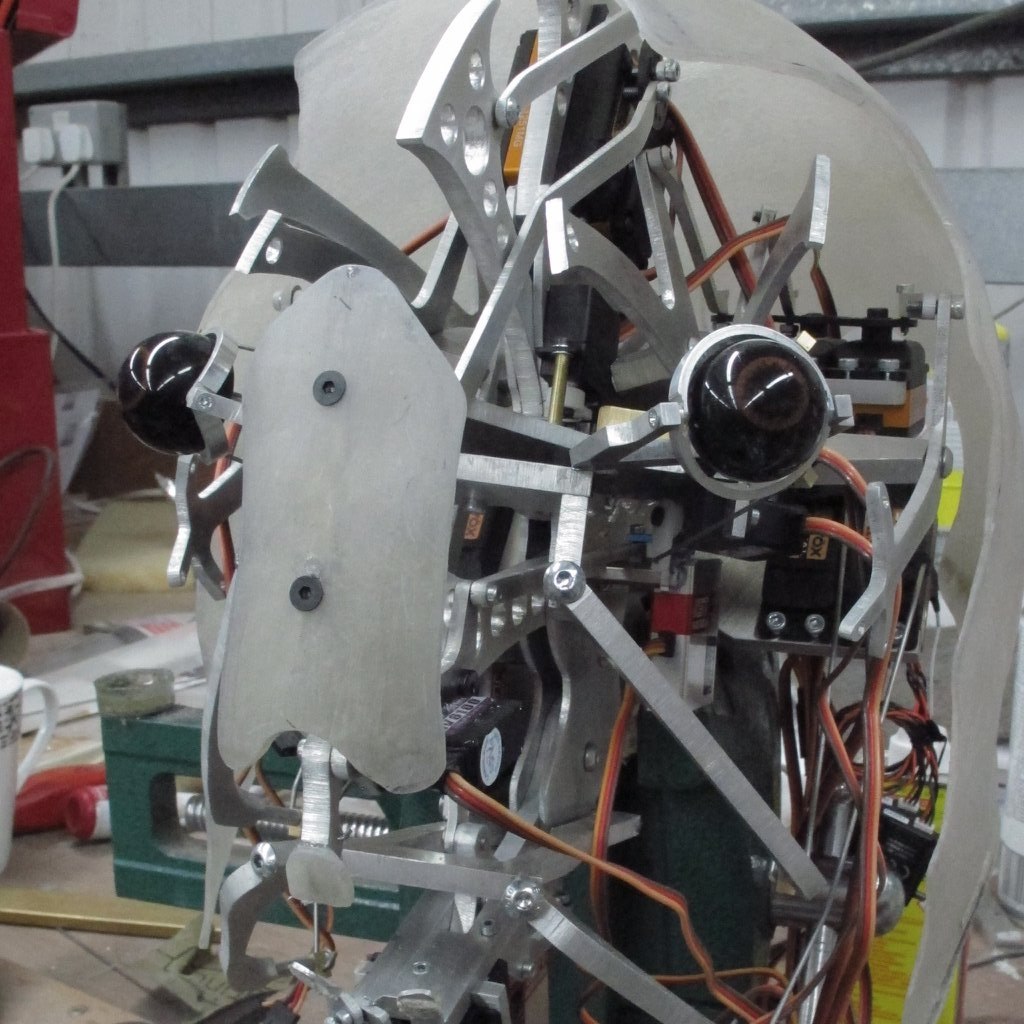
My own humble experience with animatronics is limited, but I have worked on some projects and been around good people on films who do it. I was lucky enough to be around the likes of Jim Sandys, Josh Lee, Tamsin Hanks, Steve Wright, Nik Williams, Chris Clarke, and Gustav Hoegen.
I did some basic mech work on Breeders (aka Deadly Instincts—a terrible, low-budget horror movie for Neill Gorton in 1996), and Nick Dudman let me do some basic mech work on Harry Potter 1 (2000). I enjoyed getting the right tools together—some essentials like a small square, a centre punch, a scribe, a couple of steel rules, rat-tail files, and a deburrer.
Jim Sandys came to my college (Wimbledon, 1994-ish) and did a demo class with us, so he was my first contact with a freelancer from the real world in this field. He would be a great guest on the show. Jimmy…? Up for that?
We had CDT (Craft, Design & Technology) at school, which was my favourite lesson. It was a class that combined woodwork, metalwork, technical drawing, etc., but with a design aspect that focused on problem-solving.
Things like figuring out how a box with a handle at one end would affect another handle at the other end in different ways. For example, if I twist this handle, the other one twists in the opposite direction. Or, if I press this handle down, the other goes down, or rotates, or goes into the box. The point was to figure out the possible mechanism for creating the desired output based on the input. Figuring out the linkage and mechanism that would permit these different movements was a great exercise.
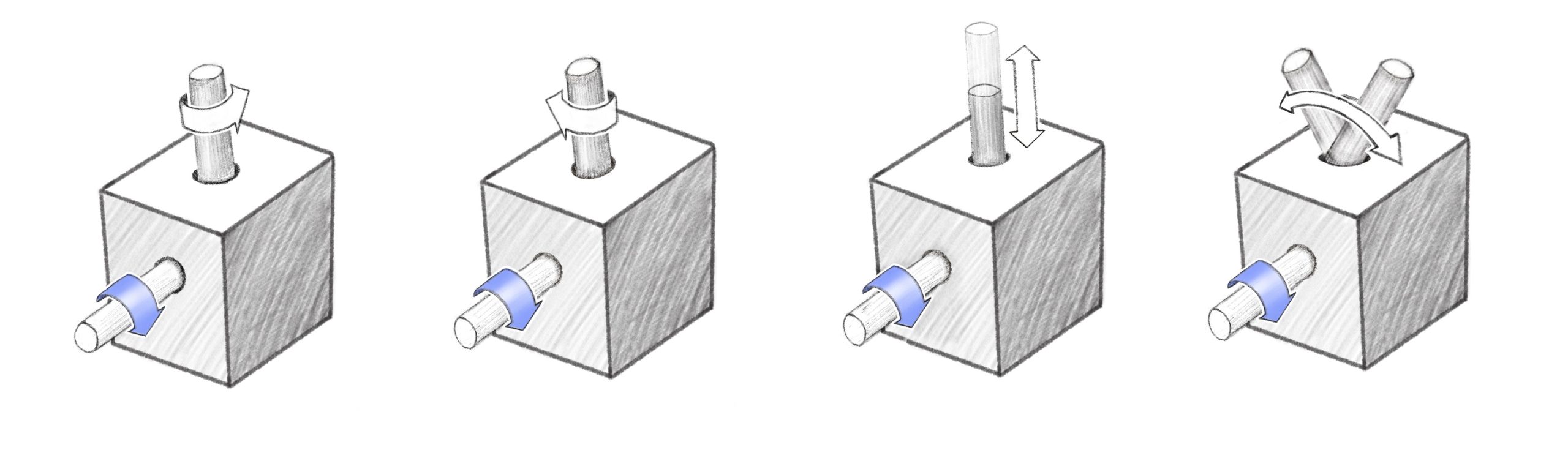
Chris often talked about playing with cardboard cutout versions of a mech to explore the idea and identify potential issues without the expense of a workshop. These resources are helpful for the budding animatronics engineer:
If you enjoy this podcast and got something out of it, would you do us a solid and tell people about it? Send them a link and help the show grow!
–Stuart & Todd
 #97 – Richard Martin